F1 to Cut Race Distances and Add 'Hard Stop' Rule for 2027 Season
SHORTER RACES FROM 2027
Formula 1 will reduce the maximum distance for grands prix by 15km, from 305km (189.5 miles) to 290km (180.2 miles), starting in the 2027 season, the FIA confirmed after a meeting of the F1 Commission in London. The change stems from the sport's evolving power unit rules: the ratio of internal combustion to electrical power is shifting from 53-47 this year to 58-42 next year, before reaching 60-40 in 2028, meaning cars will burn more fuel per lap. Because the fuel tank sits within the chassis, its size can't easily be changed, which became a concern once some teams indicated they wanted to carry their 2026 chassis over into next year to save money and might not have been able to finish races on their existing tanks.
A NEW 'HARD STOP' FOR DISRUPTED RACES
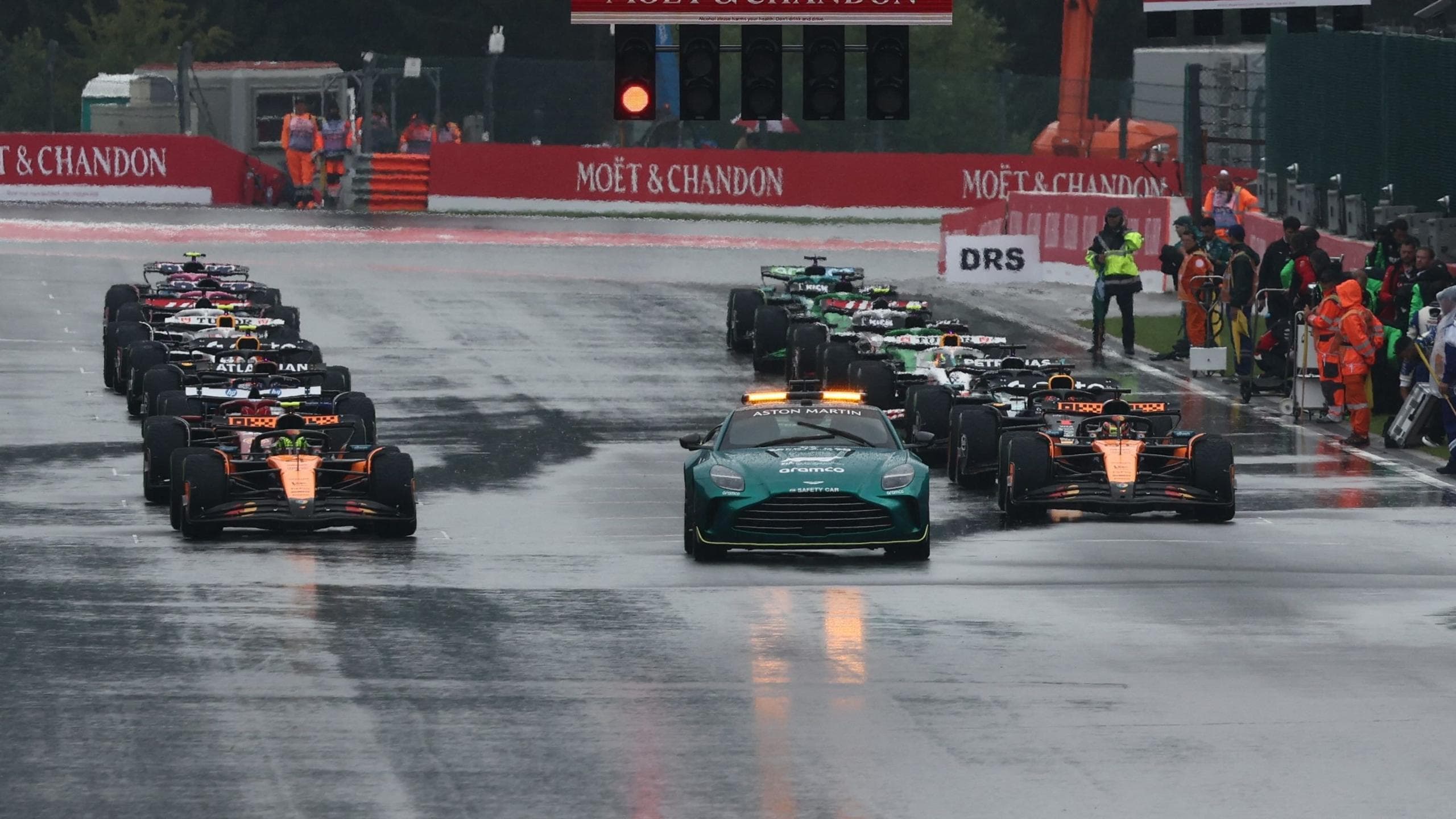
Grands prix remain capped at a maximum of two hours of active racing, but when rain or accidents cause interruptions, a variable "hard stop time" will replace the current fixed three-hour completion window. The FIA said the change was designed "to ensure that the spectators have the best possible chance to enjoy a full race if disruptions occur." The hard stop time will vary by race depending on local conditions; night races, for instance, will have more flexibility to run later than daytime races with an early sunset.
The F1 Commission, which brings together the teams, the FIA and commercial rights holder F1, also agreed to introduce "greater flexibility to extend free practice sessions should they be interrupted." Under current rules, the clock doesn't stop in practice when a red flag is caused by an incident, unlike in qualifying and races, where the session is suspended.
WHY IT MATTERS
The changes are the latest tweak to F1's 2027 regulatory package, following the sport's recent confirmation of an expanded 10-race sprint calendar for that season, including a first-ever sprint at Monaco. Together, the moves reshape both how long races run and how the sport handles the growing frequency of weather and safety interruptions, giving broadcasters and fans more certainty that a delayed race will still reach a finish rather than being called early or extending indefinitely.
Source: BBC Sport