India Survive Japan Scare in Historic First Meeting, Overturned Wide Sparks Row
THE THINNEST OF MARGINS
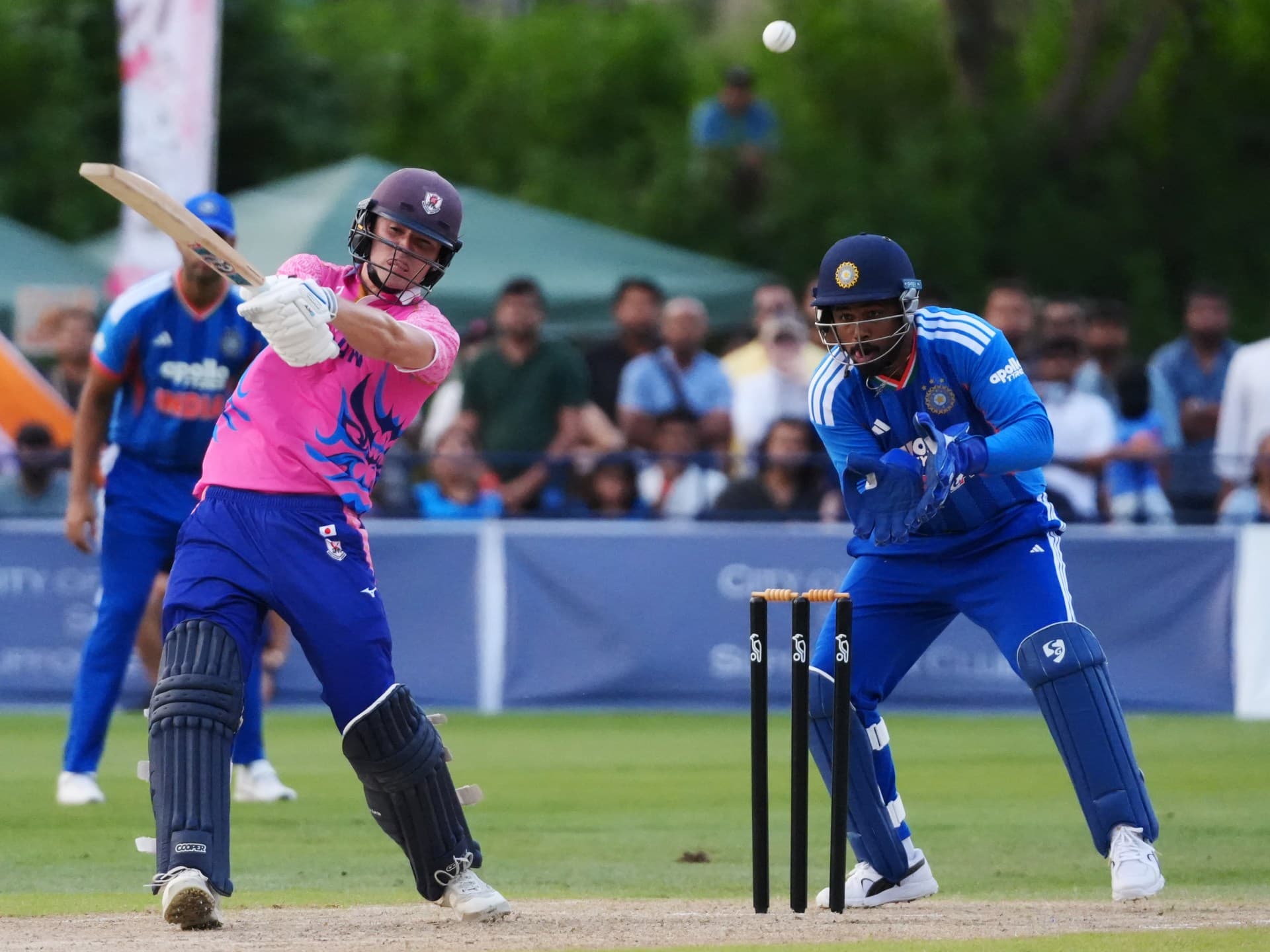
Cricket world champions India needed every bit of their experience to survive a major scare against debutants Japan, winning by just two runs in a rain-shortened T20I at the Sano International Cricket Ground on Tuesday, the first time the two sides had ever met. Rain cut the match to five overs per side, and India's captain Shreyas Iyer won the toss. Japan's Charlie Hara-Hinze made a dream start, removing Indian opener Abhishek Sharma in the first over and Ishan Kishan in his second, but Iyer's 12-ball 16 helped India post 32-4.
Chasing a modest target of 33, Japan fought their way to within reach behind captain Kendel Kadowaki-Fleming's 12 runs, needing eight off the final over with seven wickets in hand. After a dot ball and a single off Axar Patel, the hosts needed six runs off four balls when the match turned controversial.
THE OVERTURNED WIDE
Patel's next delivery was signaled a wide by umpire Chris Thurgate as batter Alexander Shirai-Patmore attempted a reverse-sweep that stayed out of his arc. Iyer and Patel were furious and remonstrated with the umpires. After a brief consultation between Thurgate and fellow umpire Chris Brown of New Zealand, the decision was reversed, without a formal review and without the on-field explanation typically shown to fans watching on broadcast. Japan scored three singles off the last three balls, finishing two runs short.
Under Law 22.3 of the Marylebone Cricket Club's Laws of Cricket, a wide can only be revoked if the ball makes contact with the bat or batter before reaching a fielder, or if the delivery is separately called a no-ball. Neither applied in this instance.
'DISGRACEFUL,' SAY CRITICS
The reversal, with no review shown or explained, drew sharp criticism. Wisden cricket writer Ben Gardner called it a "disgraceful decision," writing on X: "With five off four needed for the biggest upset in cricket history, India have just bullied the umpires into overturning a wide call against Japan." Other social media users, including some India supporters, echoed that the batter had not changed his stance before the ball was bowled and had not attempted to trick Patel.
Neither captain raised the incident directly after the match. Iyer instead praised the conditions and Japan's performance: "Honestly speaking, it was a very difficult wicket to bat on. A five-over game, it can go anywhere. It doesn't matter how good a team you are. The attitude and approach the Japanese team showed today was impeccable, and kudos to them."
A HISTORIC OCCASION FOR JAPAN
The match, arranged through more than a year of effort by the Japan Cricket Association working with the BCCI and gaining momentum once the Japanese government got involved, marked the first time Japan, ranked 41st in the ICC's men's T20 rankings with just 7,300 registered players and 16 grounds nationwide, had faced a full ICC member. "One match or competition itself won't change anything, and we are certainly not going to think that suddenly it's going to be as popular as baseball or football in Japan," JCA chief executive Naoki Alex Miyaji told Reuters. "But the match against India is the first page of a new era." Kadowaki-Fleming said he was proud of how close his side came: "The fact that we're able to run the best team in the world, in my opinion, to the last ball of a game is pretty special. I think today was a really momentous occasion in that it was the first time we were able to face a full member."
WHY IT MATTERS
The result keeps India's unbeaten run alive, but the manner of the win, an on-field reversal with no visible review, has renewed scrutiny of how umpiring decisions are made and explained under pressure from senior players, just as Japan's cricket program was gaining its biggest platform yet.
Source: Al Jazeera (Reuters)