Top Players End Public Prize Money Campaign as Grand Slams Form Player Council
FROM PUBLIC PROTEST TO A SEAT AT THE TABLE
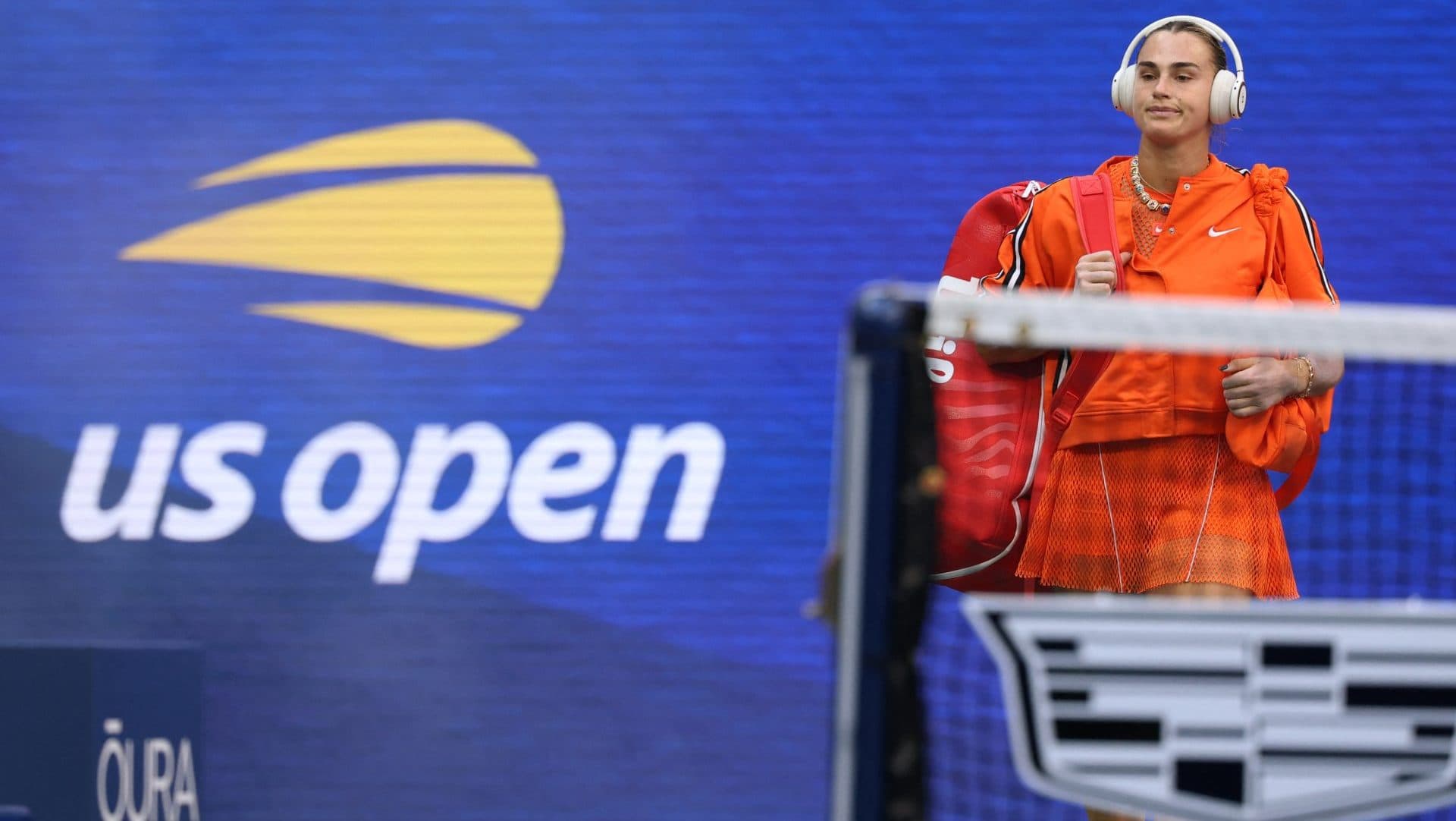
A group of tennis's biggest names, including Aryna Sabalenka, Jessica Pegula, Jannik Sinner and Iga Swiatek, staged a coordinated media protest at Roland-Garros back in May, pressing the four Grand Slams for a larger share of tournament revenue, stronger player representation and better welfare protections. That public campaign is now winding down, the players say, not because the demands were dropped but because the four majors finally gave them a formal channel to keep pushing through instead.
"Now that a formal council exists to carry this work forward, the public phase of the campaign led by the unified group of top players comes to a close," the players said in a statement.
WHAT CHANGED
The shift follows the creation last month of the Grand Slam Player Advisory Council, set up jointly by the Australian Open, the French Open, Wimbledon and the US Open in response to the players' pressure campaign. The council gives players a direct, ongoing line to negotiate with the majors rather than relying on public statements and coordinated media appearances to make their case. It arrived alongside separate legal pressure from the Professional Tennis Players Association, which sued tennis's governing bodies, Grand Slams included, in 2025 seeking greater financial rights and governance standards closer to those in other major professional sports leagues.
THE MONEY BEHIND THE FIGHT
The campaign has already produced measurable results. Total prize money across the four Grand Slams has grown to $415.6 million since players submitted their formal proposal on July 31, 2025, and players estimate that more than $30 million of that increase reflects real gains beyond the pace of normal year-over-year growth. That figure gives the players' side a concrete number to point to as evidence the public pressure worked, even as the campaign shifts to quieter, direct negotiation through the new council.
WHAT'S NEXT
With the public phase over, the real test moves behind closed doors: whether the new council can keep translating player leverage into further prize money growth and welfare improvements without the pressure of public statements and Grand Slam-week protests. The PTPA's separate lawsuit remains active regardless of how the council negotiations go, meaning the players still have a legal track running alongside the new diplomatic one if talks through the council stall.
Source: Front Office Sports